What We Learned by Experimenting with AI Inside Our Arts and Technology Innovation Program
During CultureSource’s June 2026 Incubating Innovation Intensive, we tested an optional AI-supported inquiry experience developed with Glidelane. The experiment helped us explore where AI might support complex organizational thinking and where people still matter most.
Generative AI is often used to get somewhere faster: an answer, a summary, a recommendation.
But much of CultureSource’s Adaptive Changemaking work asks people to do something different: stay with a complicated question long enough to understand it differently.
That tension became the starting point for an experiment with Glidelane, led by founder Chris Genteel. We wanted to know whether AI could help surface assumptions, tensions, and different perspectives without taking over the thinking and judgment that belong to people.
Starting With the Work
Rather than starting with an AI product and looking for somewhere to use it, we started with CultureSource’s existing practice.
What do facilitators do when a group moves too quickly toward a solution? How do they surface assumptions or introduce a different perspective? What requires the judgment of someone who understands the people and context in the room?
Those questions shaped the prototype. It was designed to ask questions before offering interpretations, reflect participants’ language, surface tensions, and resist rushing toward an answer.
One principle became especially important: ask AI to guide the thinking, not do the thinking for us.
Putting it into Practice
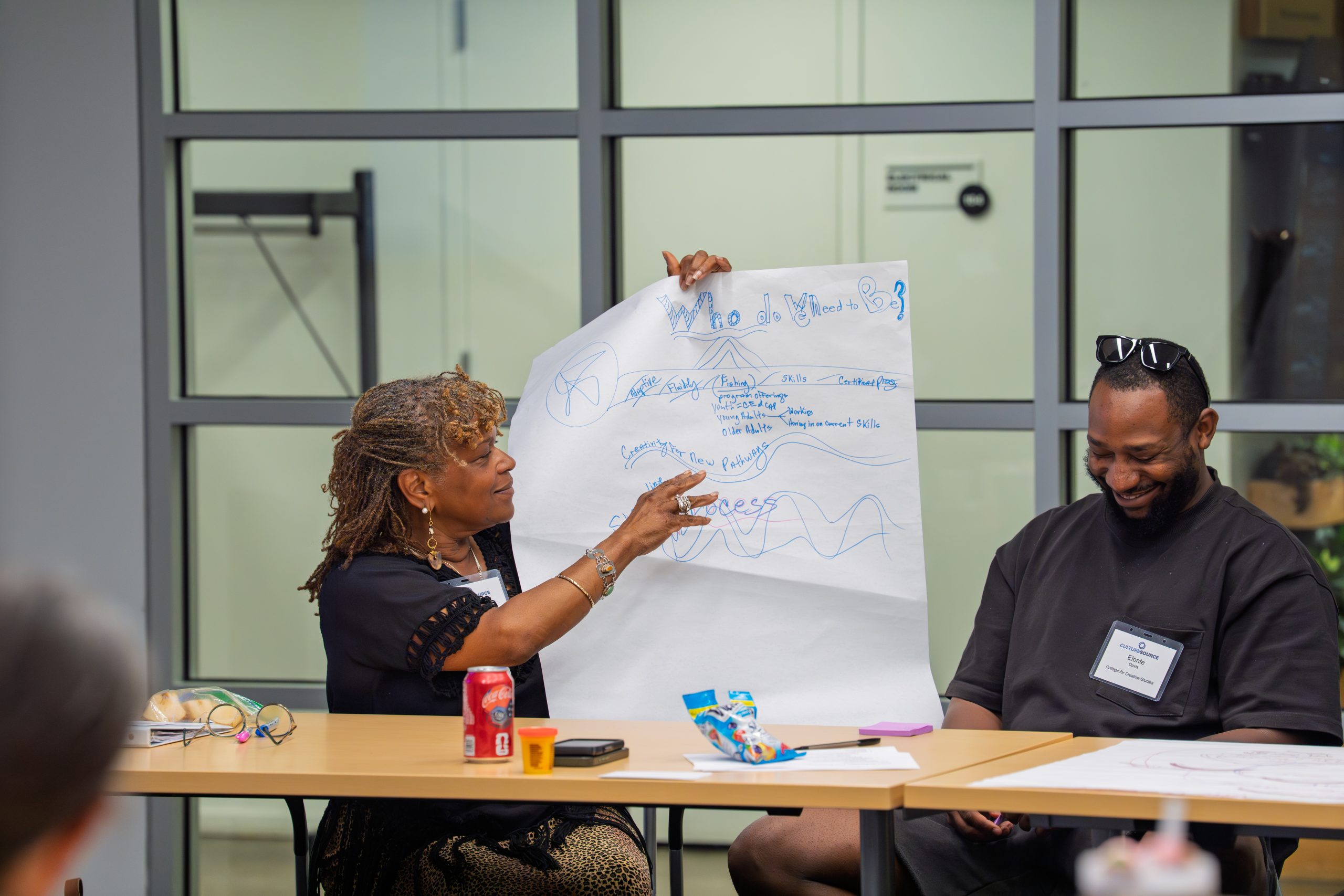
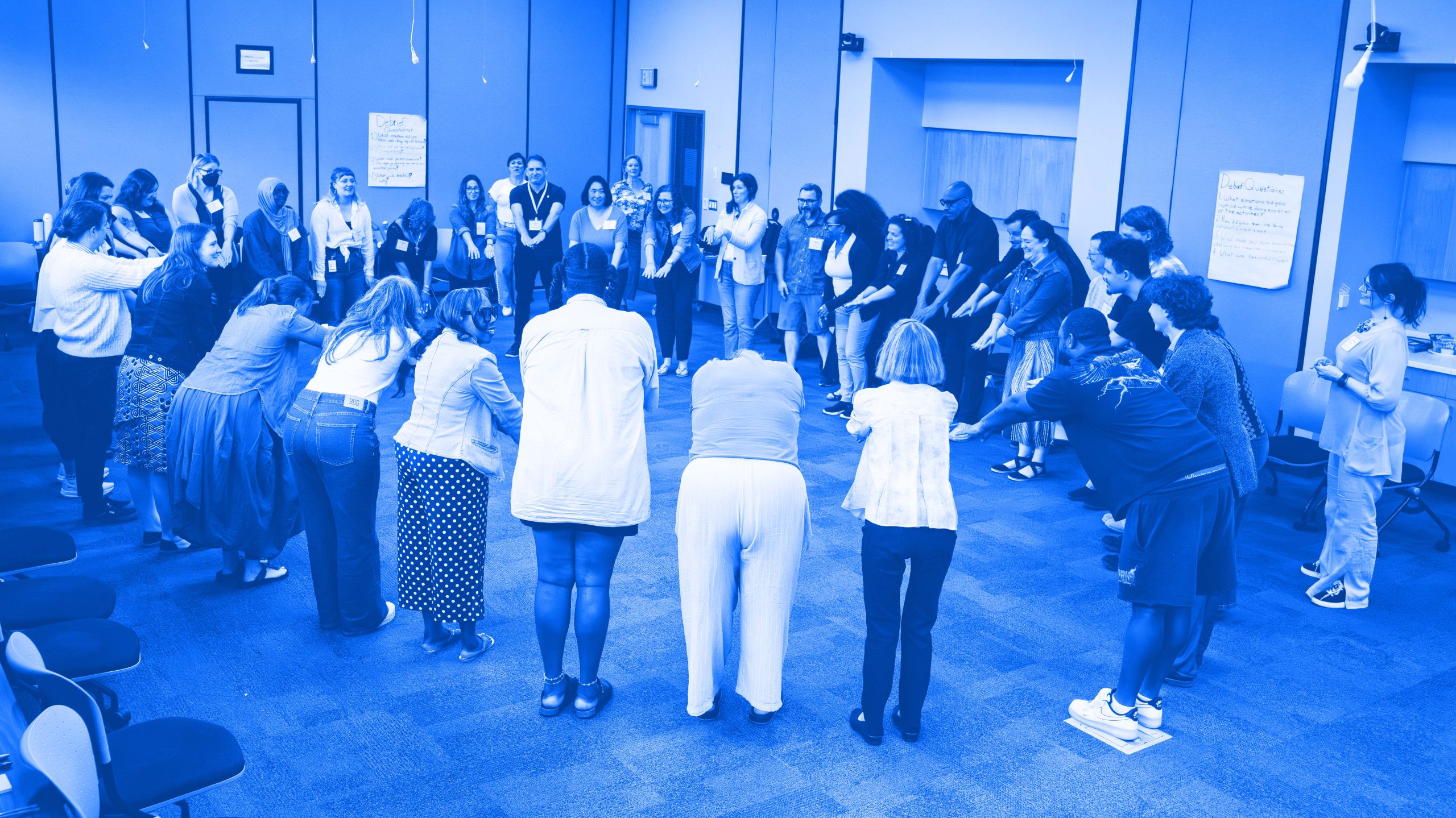
The three-and-a-half-day retreat was Phase 2 of CultureSource’s Incubating Innovation track. About 50 organizational and community leaders across four innovation teams took part from four Southeast Michigan arts and culture organizations: ArtOps, the College for Creative Studies, Pewabic, and Neutral Zone.
The AI experience was optional and used selectively by facilitators and teams. One of the clearest things we noticed had less to do with the technology itself.
People slowed down when they had to put their thinking into words.
Teams debated how to describe their challenges, reconsidered their language, and decided together what they wanted to enter into the system. Sometimes that conversation was as useful as the AI response that followed.
The technology could introduce a new question or perspective, but facilitators still decided what to do with it. They adjusted the pace, brought AI-generated questions back into larger conversations, and knew when it was better to put the screen aside.
In fact, some of the richest moments happened after people stopped interacting with the prototype and kept talking.
The system could respond to what it was given. It could not notice everything a facilitator could see and hear in the room.
Not everyone wanted to use it, either. One team chose not to participate because of broader concerns about AI, and one facilitator decided not to incorporate it into their work.
Those choices mattered. The point was not to prove that AI belonged everywhere. It was to better understand where it might add something useful—and where it might simply add another layer between people and the work.
Going Under the Hood
After the Intensive, CultureSource staff continued working with Chris and Glidelane to better understand how the experience had been built.
Staff tested the prototype using a real CultureSource challenge and then went “under the hood” to see how our practice had been translated into prompts, instructions, and system behaviors.
The goal was not to turn staff into AI developers. It was to make the technology less abstract and help us ask better questions about what AI should do, what it should not do, and what should remain human.
What We are Carrying Forward
A few ideas will continue to shape our experiments with AI.
- Start with the work, not the technology. The organizational question should come first.
- AI behavior is shaped by human choices. Prompts, constraints, context, and design decisions all influence how a system responds.
- The conversation still matters most. AI can introduce something new, but people still have to interpret it, question it, and decide what matters.
We still have questions about where AI belongs in this work—and where it doesn’t.
Can it help people notice something they might otherwise miss? When does it deepen inquiry, and when does it encourage premature certainty? What parts of our work should remain deliberately human?
We know more now because we had the chance to build something, try it alongside our community, and pay close attention to what happened.
That experience will shape how CultureSource approaches future AI work—and how we support arts and culture organizations as they make their own choices about where this technology fits.
We want to keep testing these questions in practice, learning alongside our partners, and sharing what we find with the field.
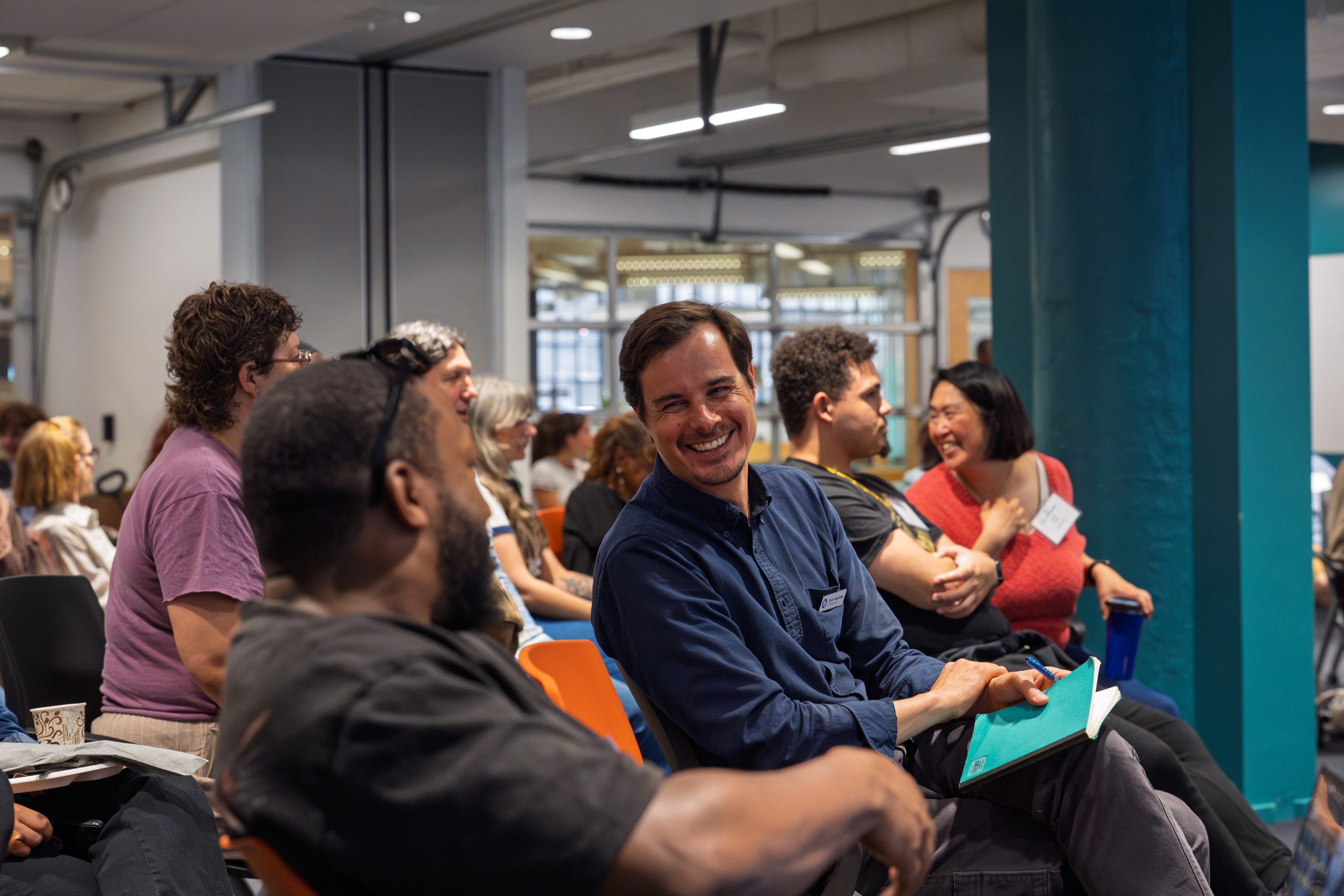
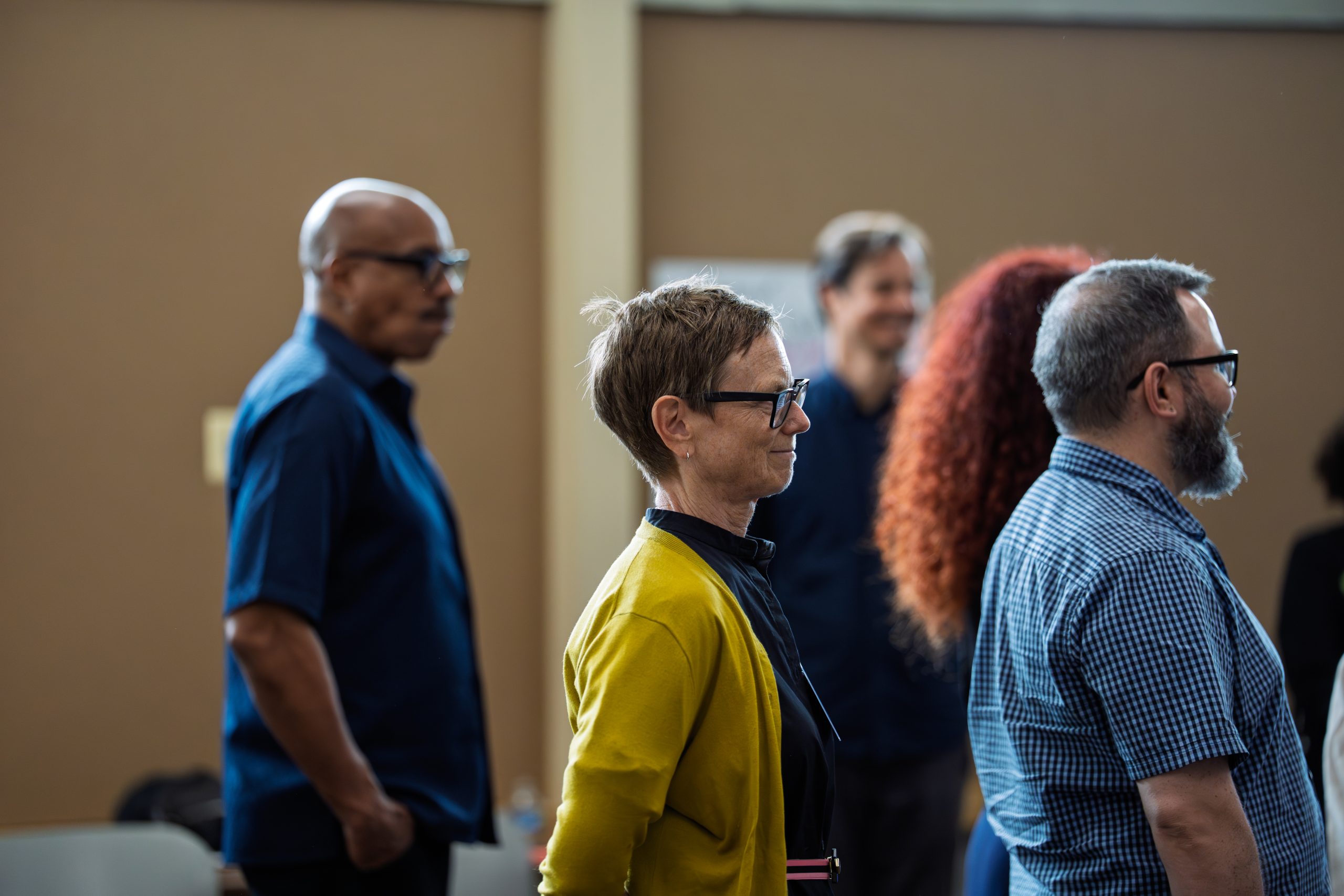
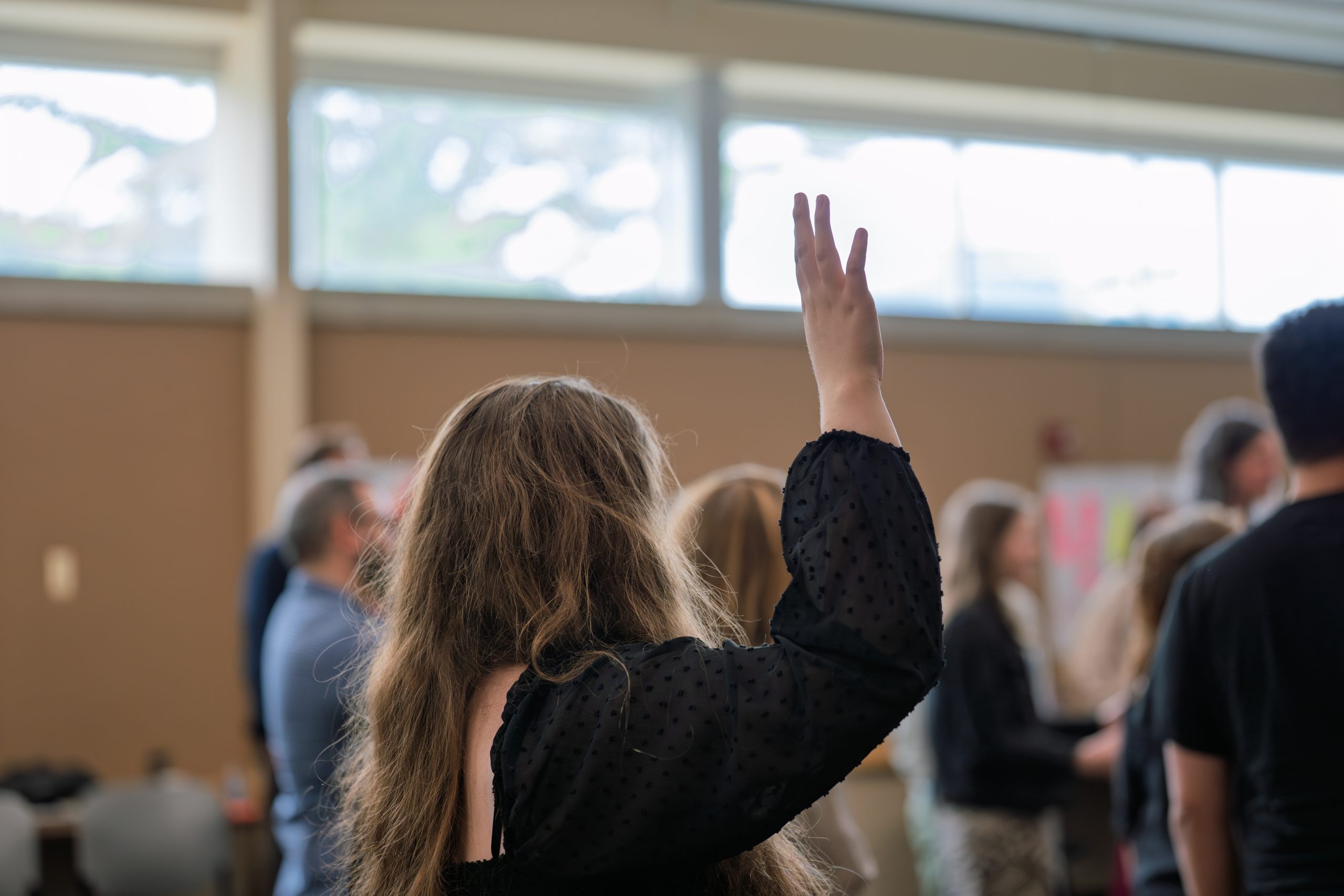
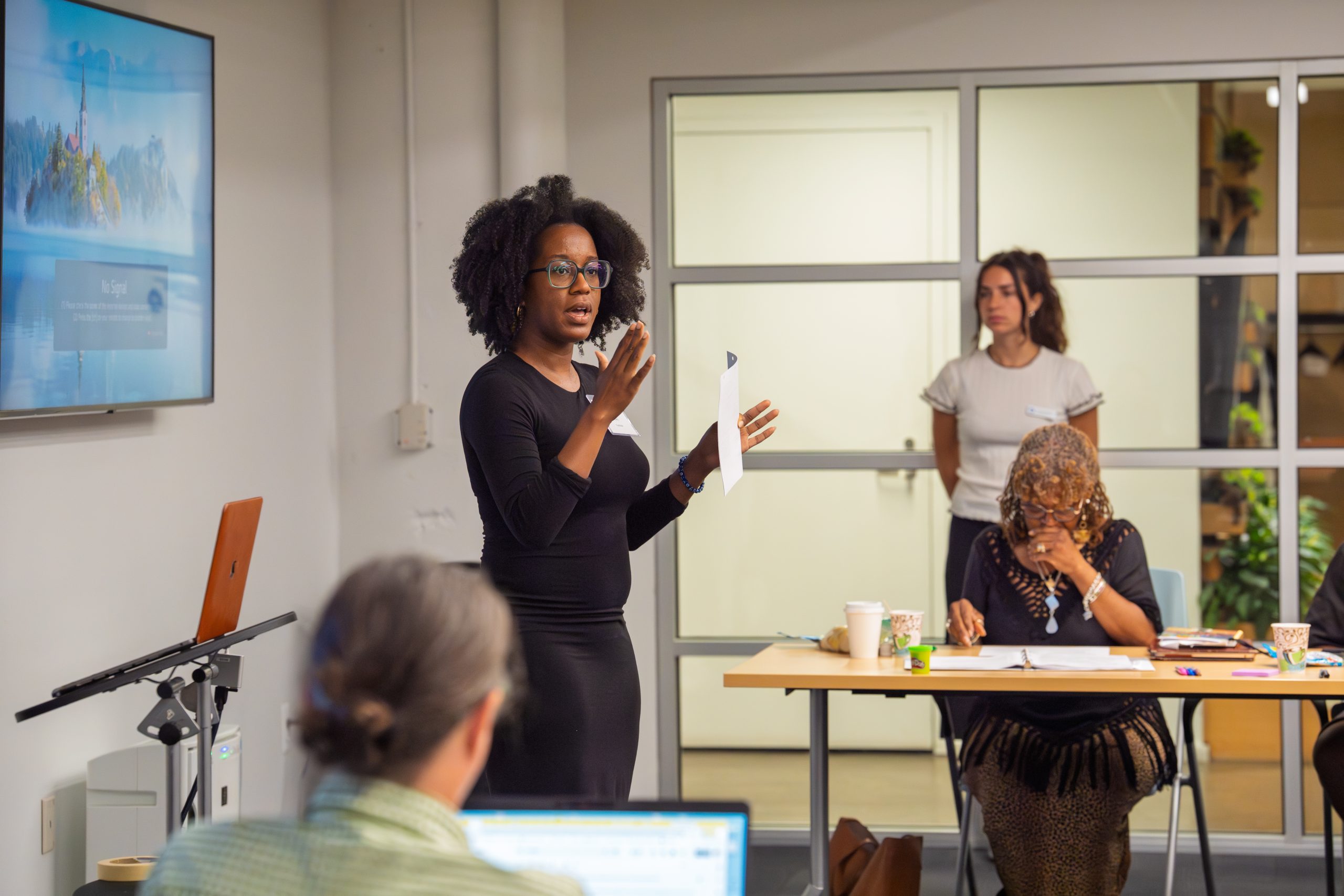
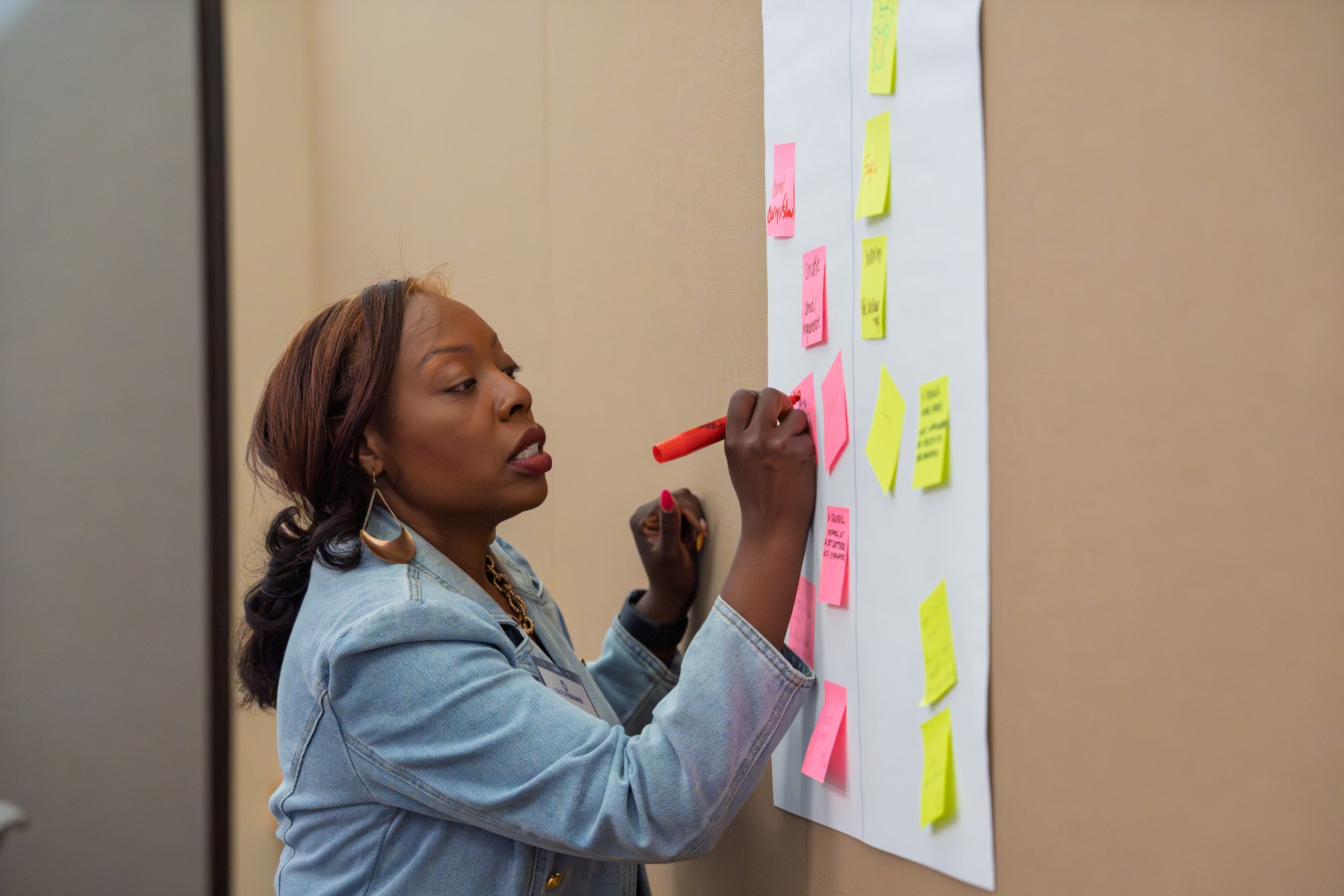
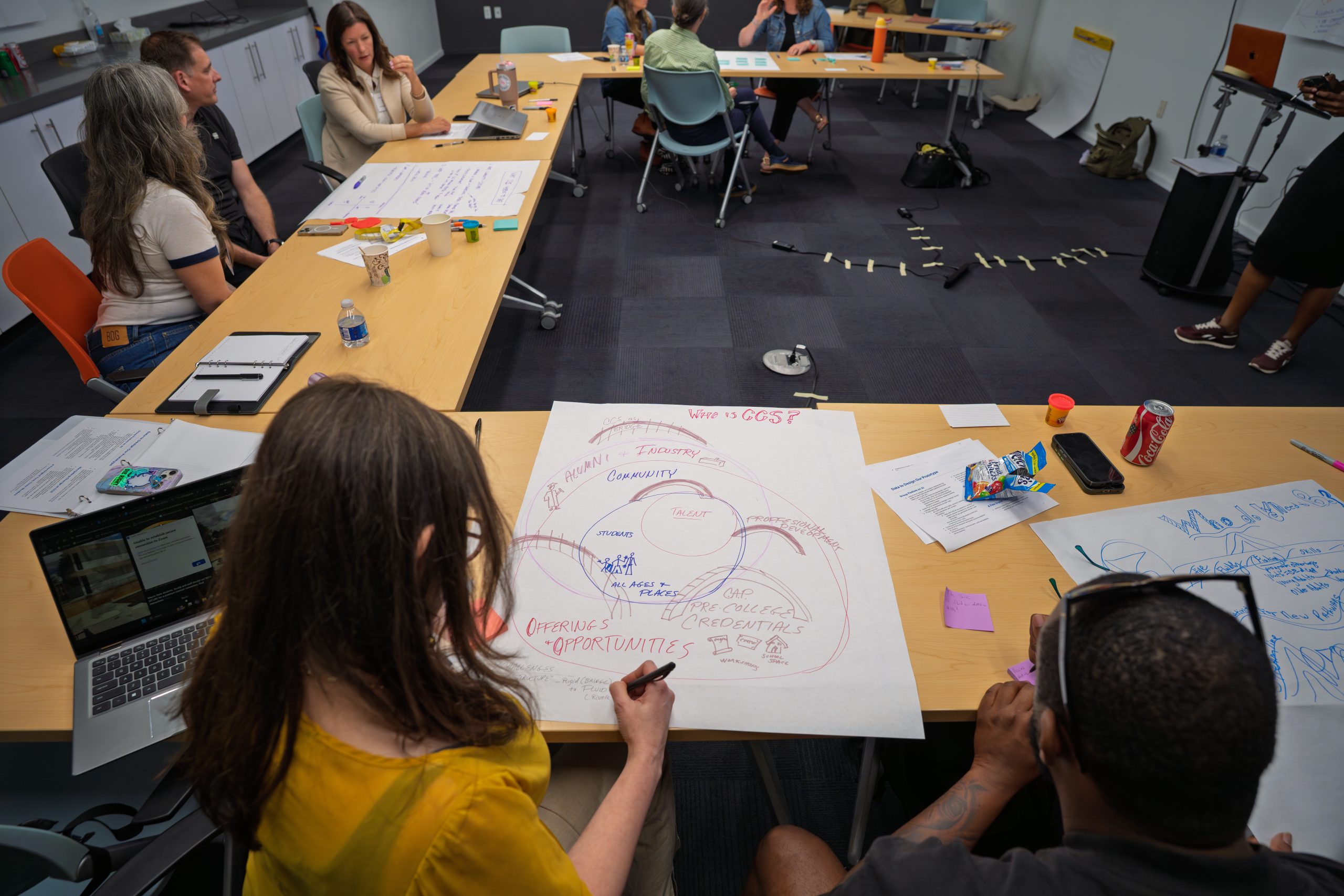
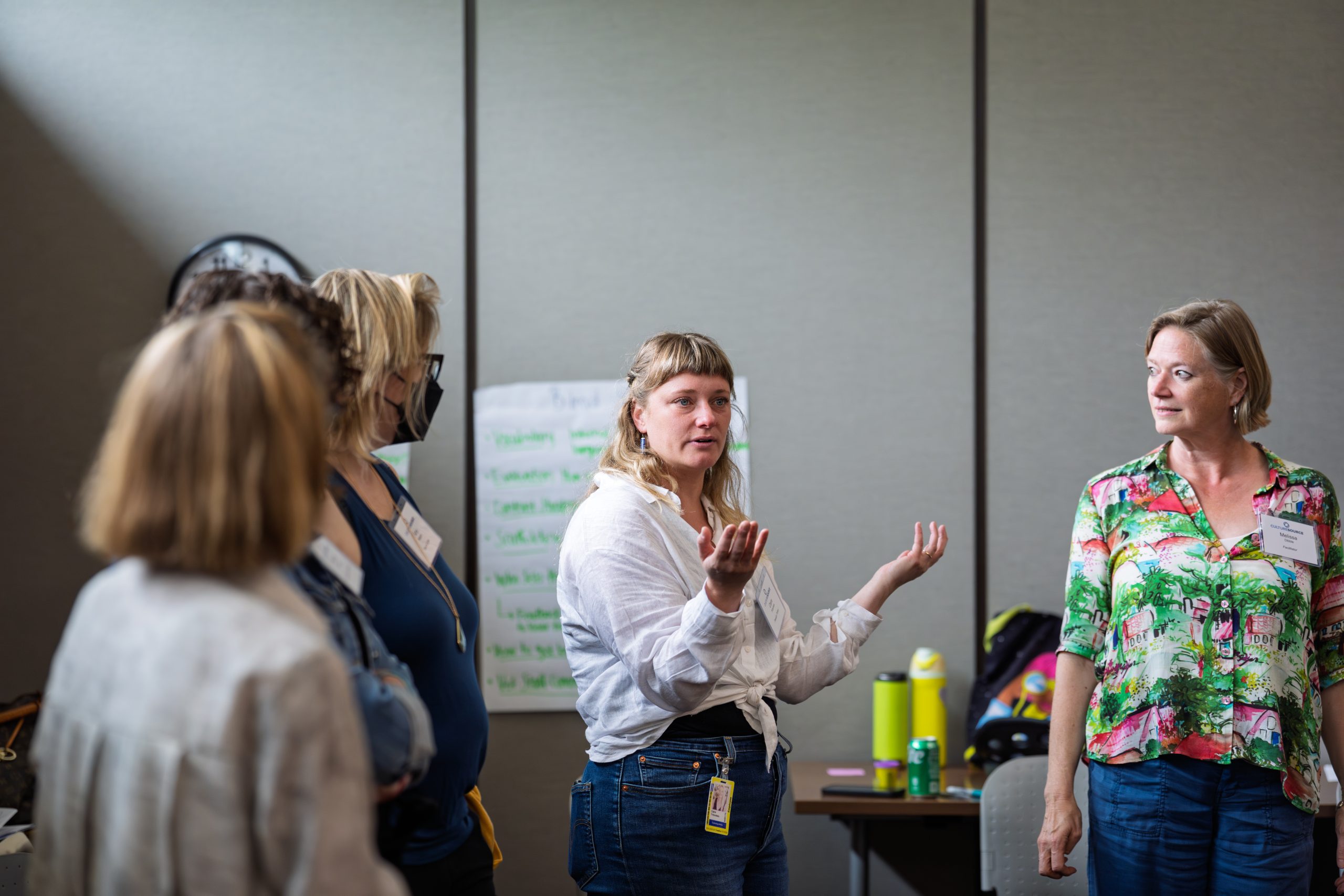
Photos captured during CultureSource’s Incubating Innovation intensive retreat