Fall Biannual Member Meeting:
Exploring the Intersection of Art and Technology
CultureSource and Black Tech Saturdays brought together our region’s arts and technology communities to explore shared challenges and the future of creative work.
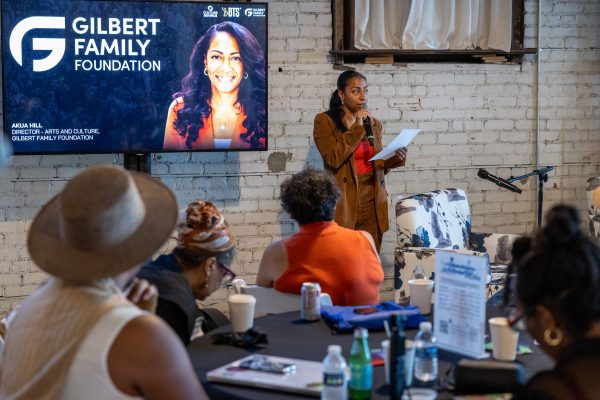
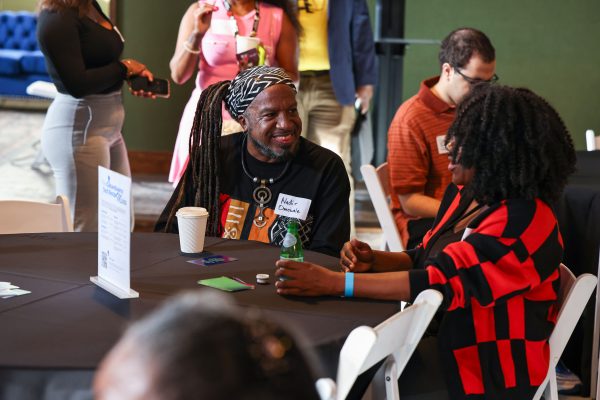
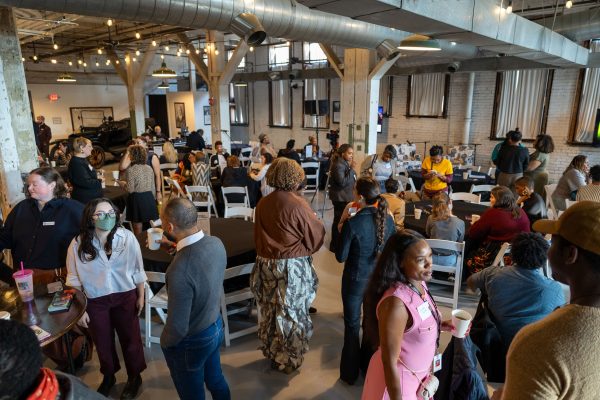
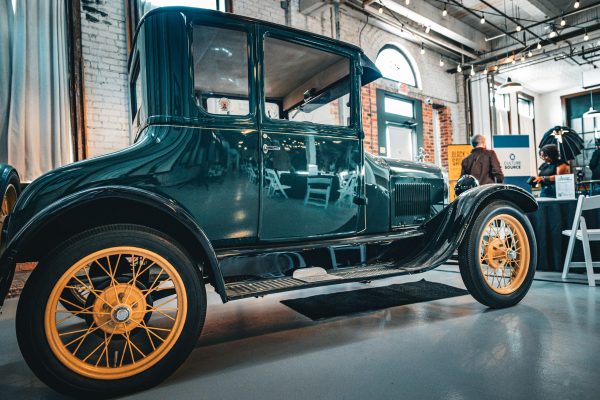
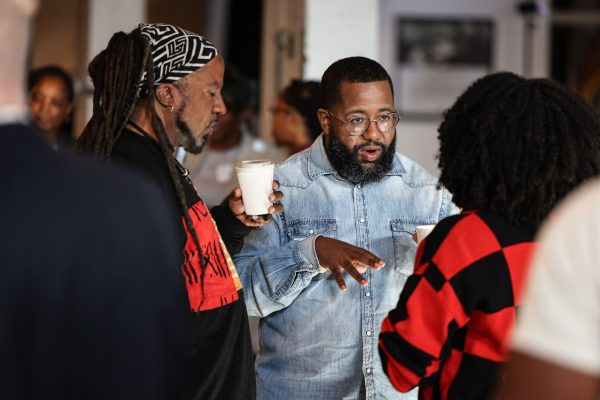
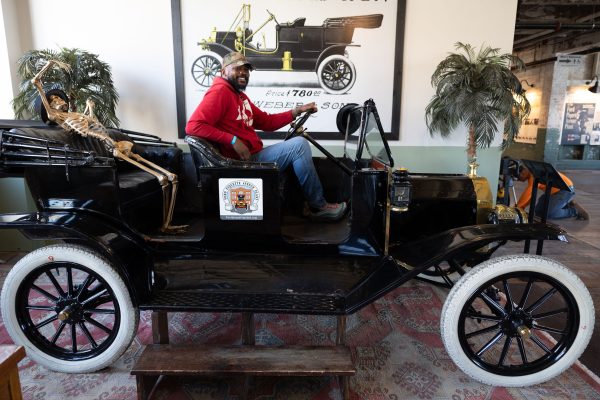
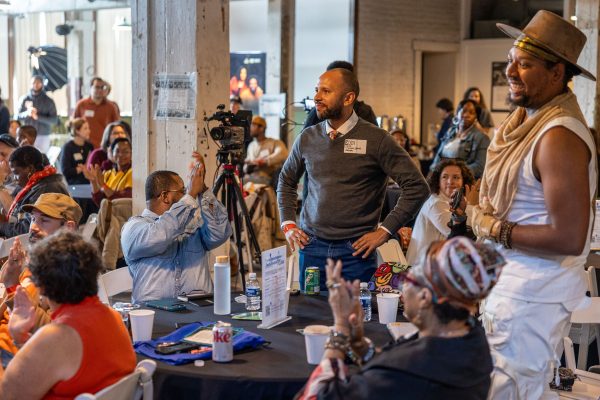
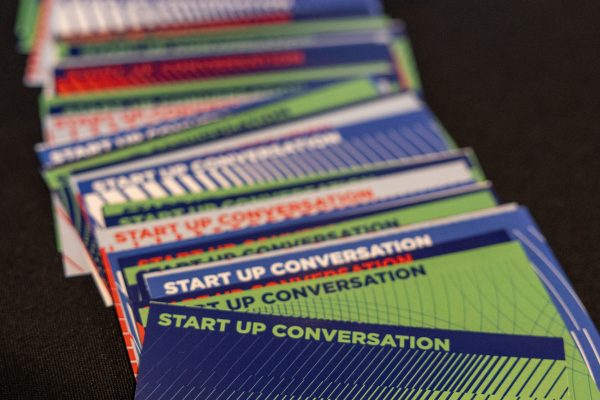
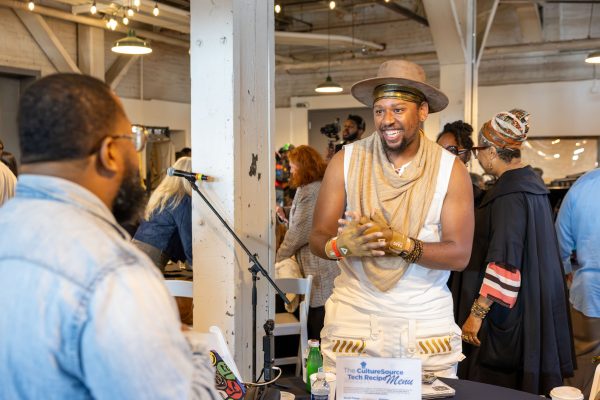
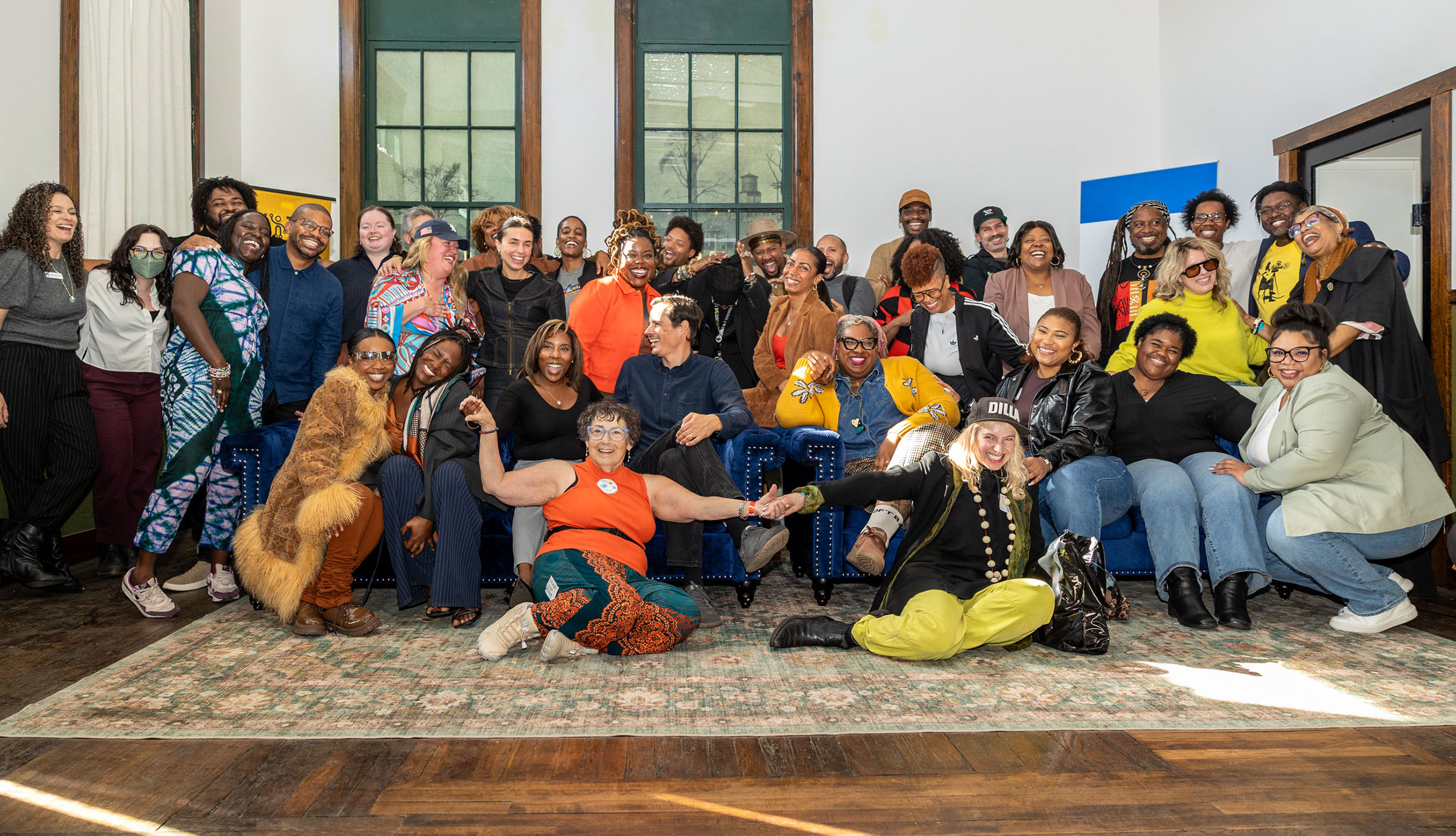
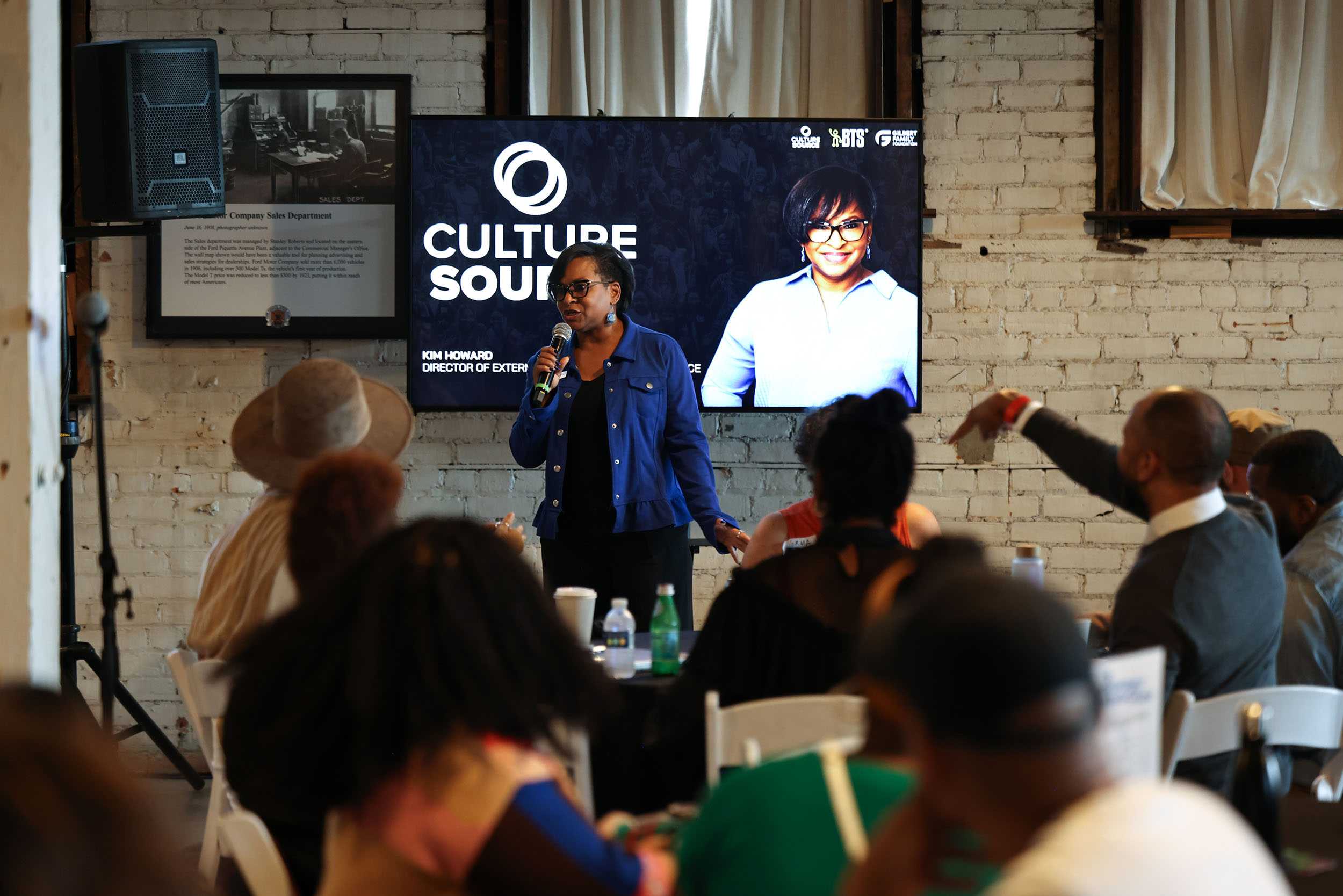
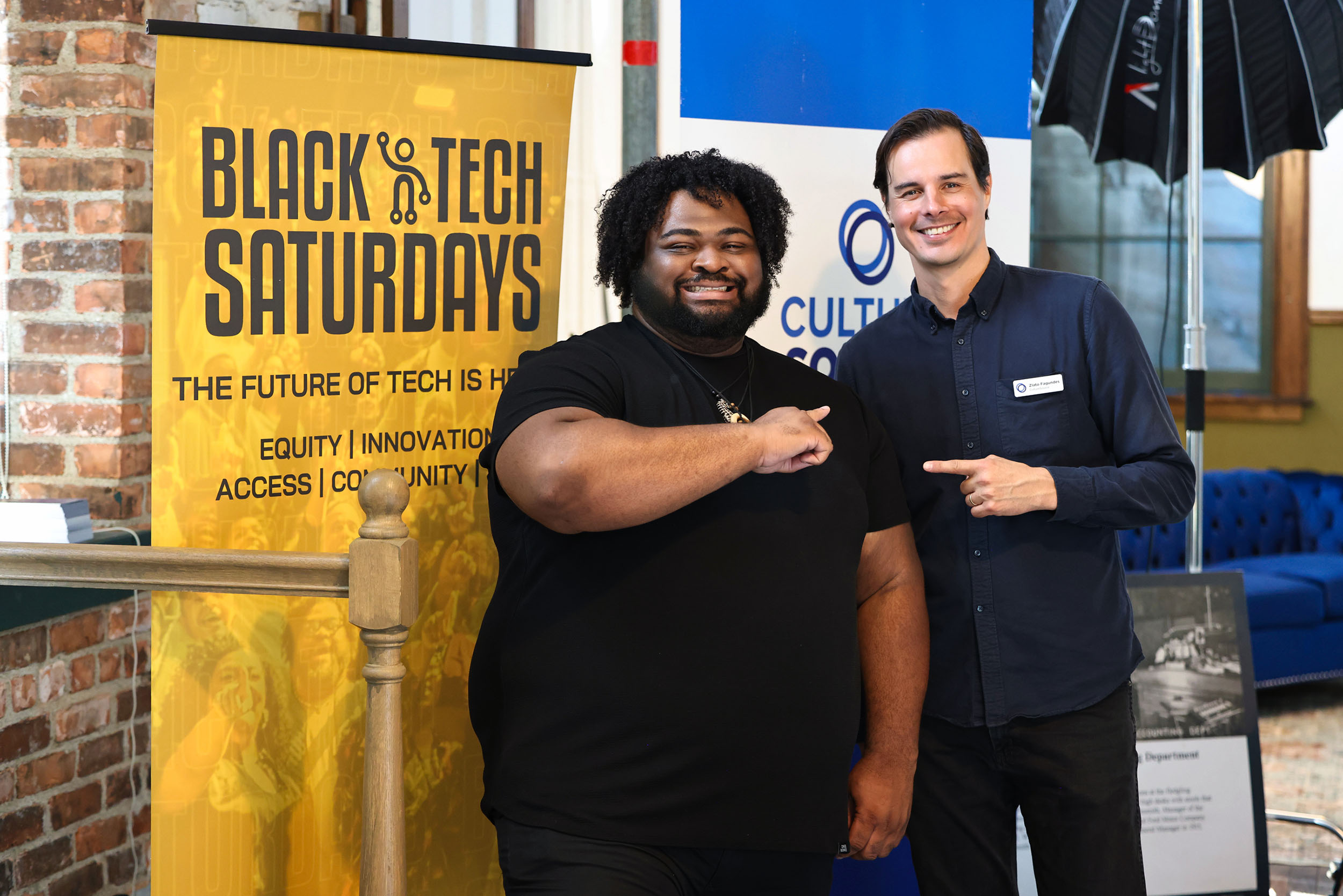
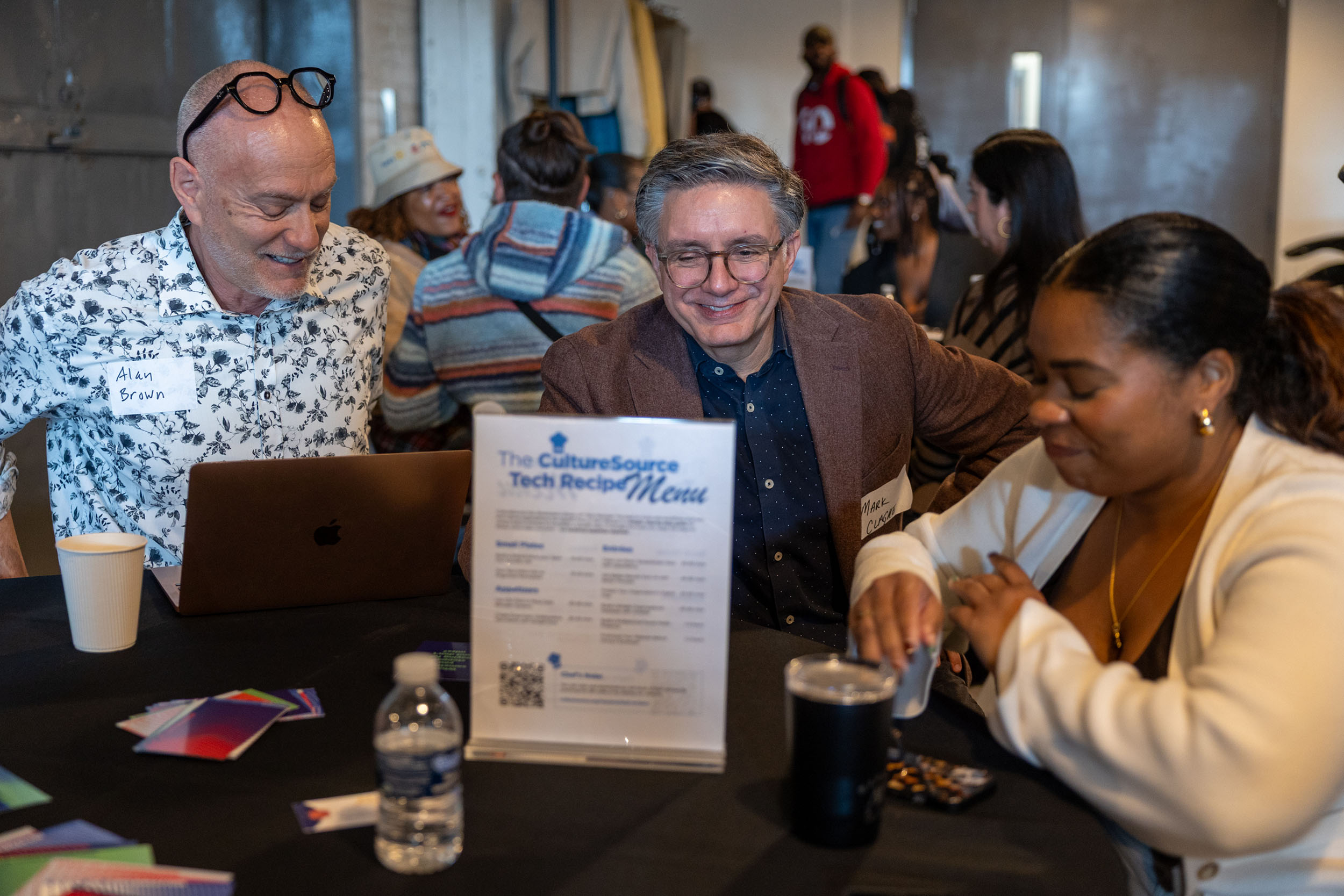
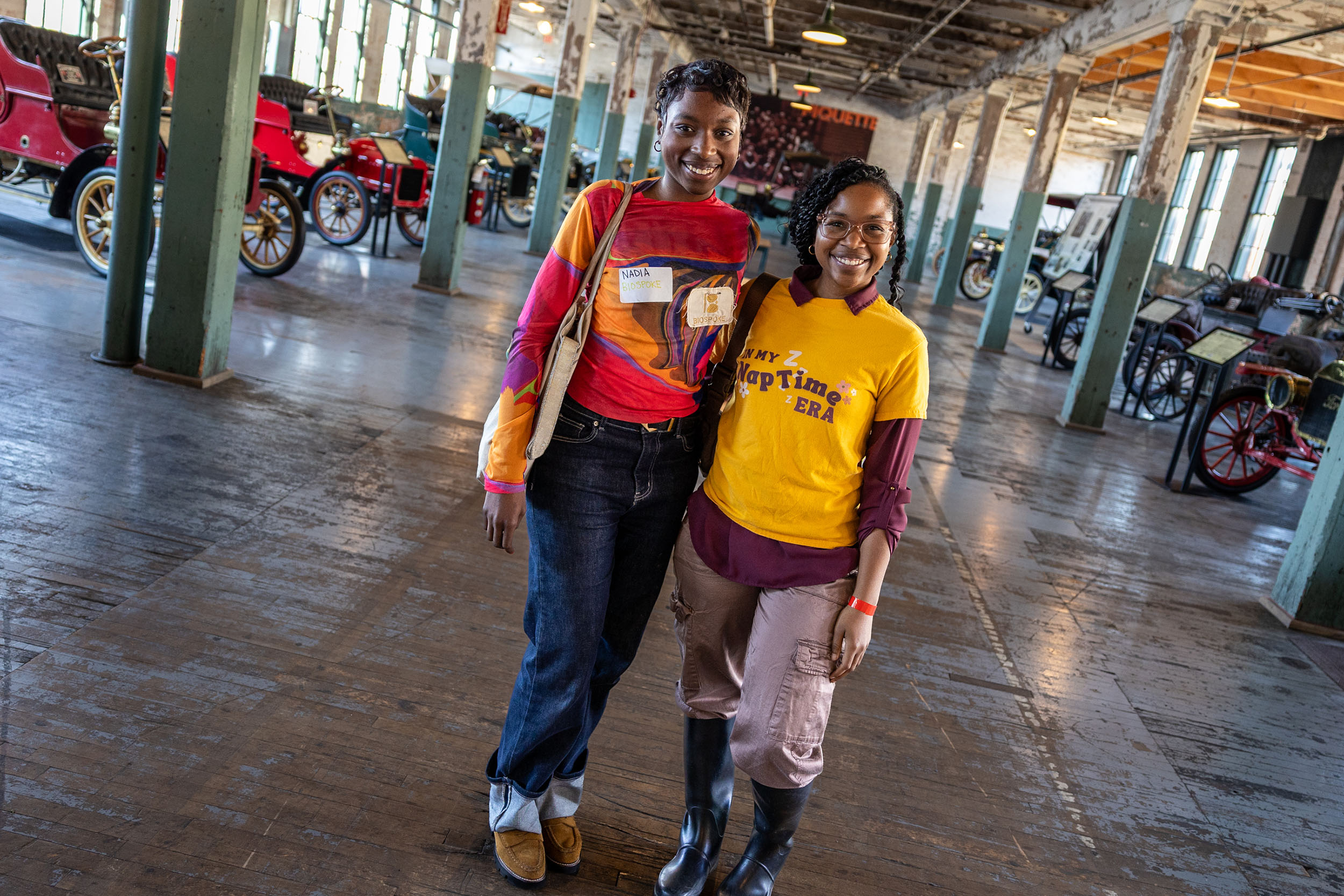
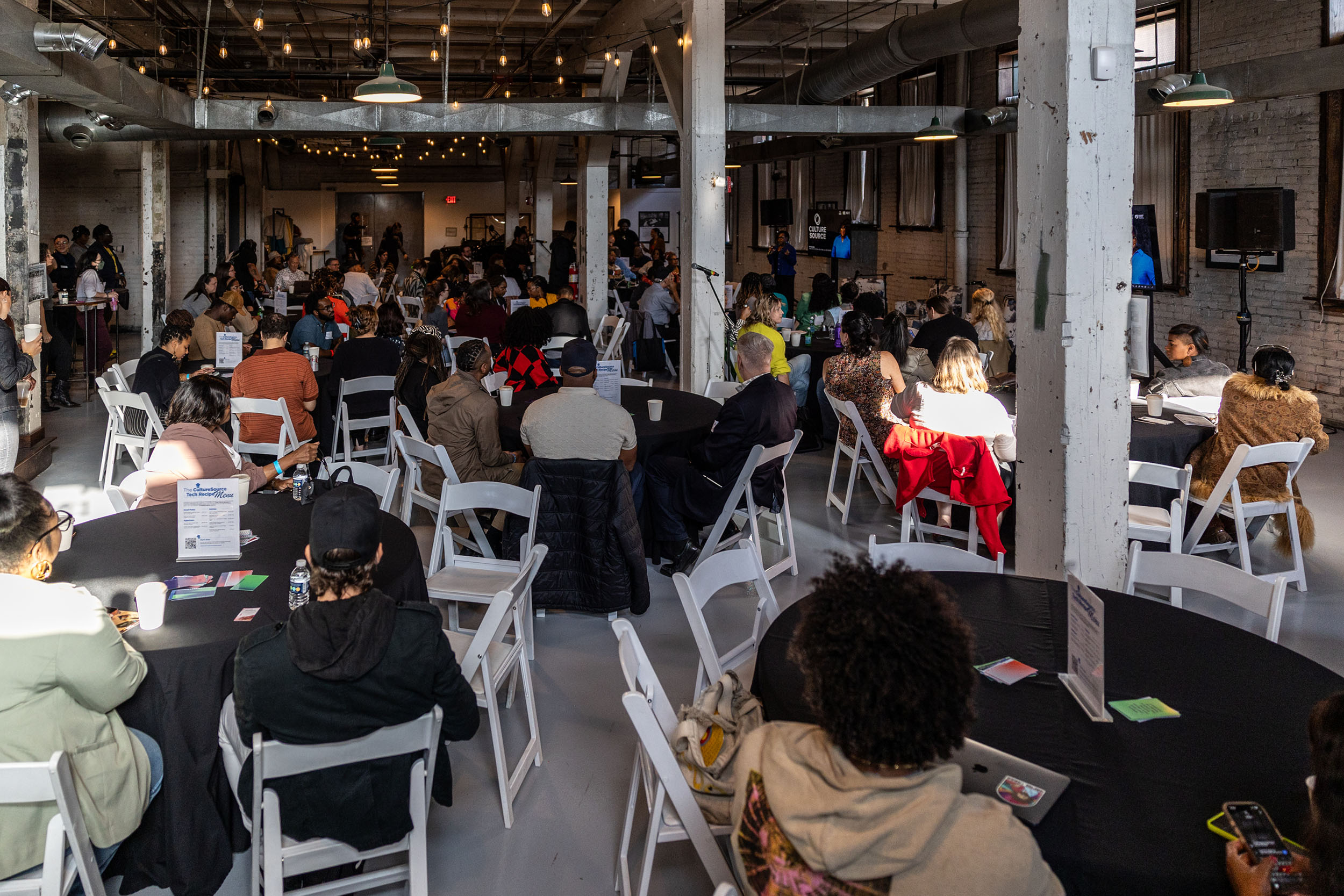
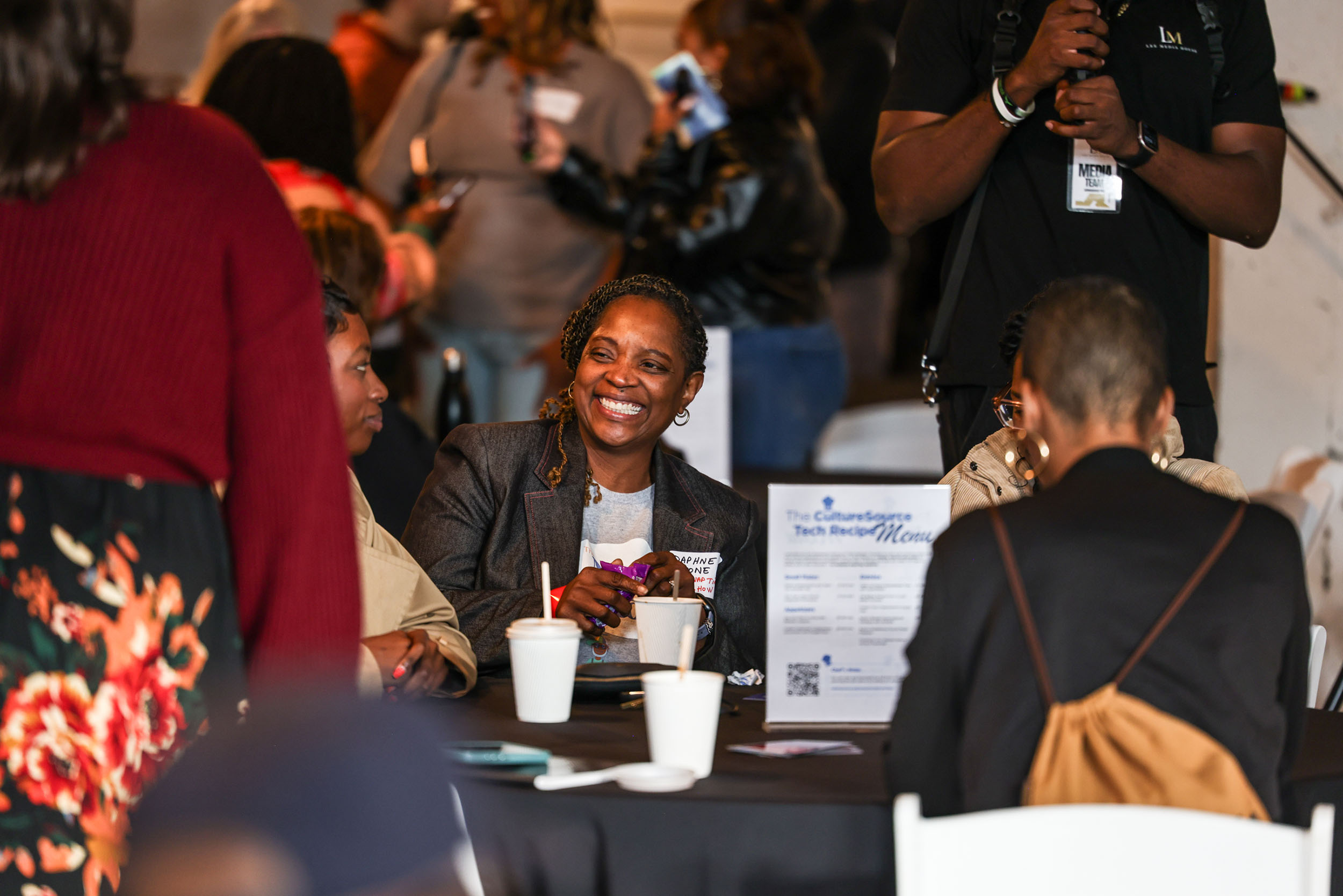
On October 29, CultureSource partnered with Black Tech Saturdays for Make Believe: An Art x Tech Symposium, a special edition of our biannual member meeting at the Ford Piquette Avenue Plant. The event was presented through our Digital Access for the Arts Program (DAAP), with support from the Gilbert Family Foundation.
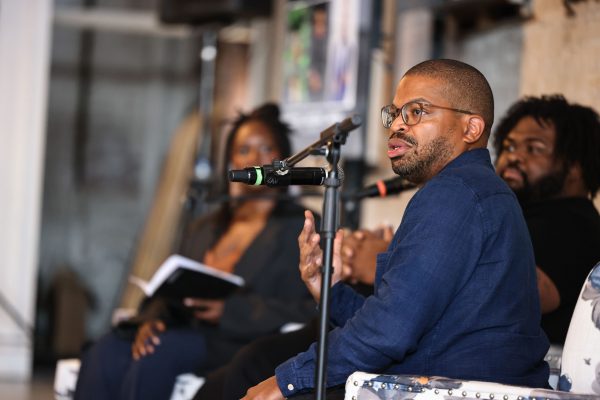
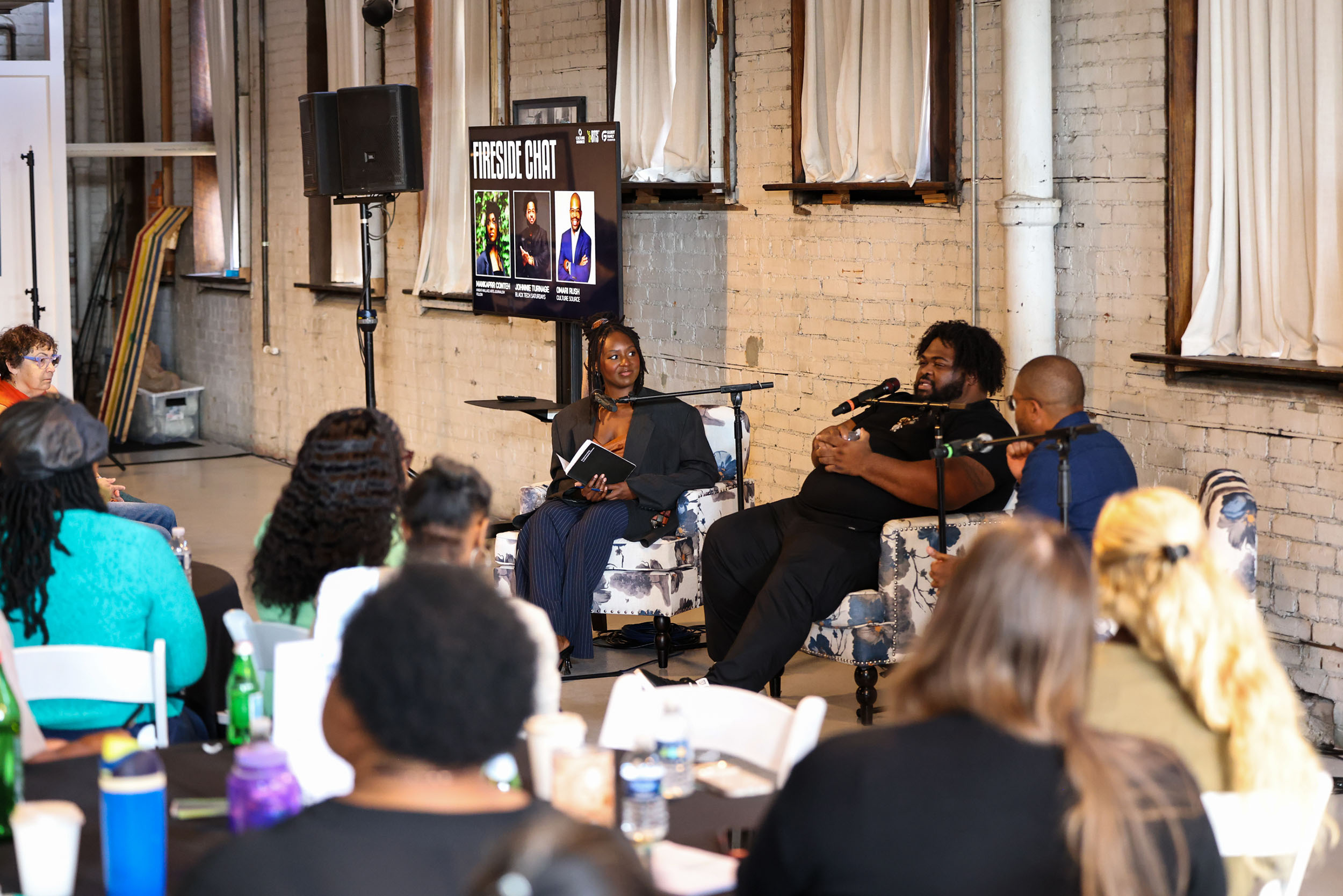
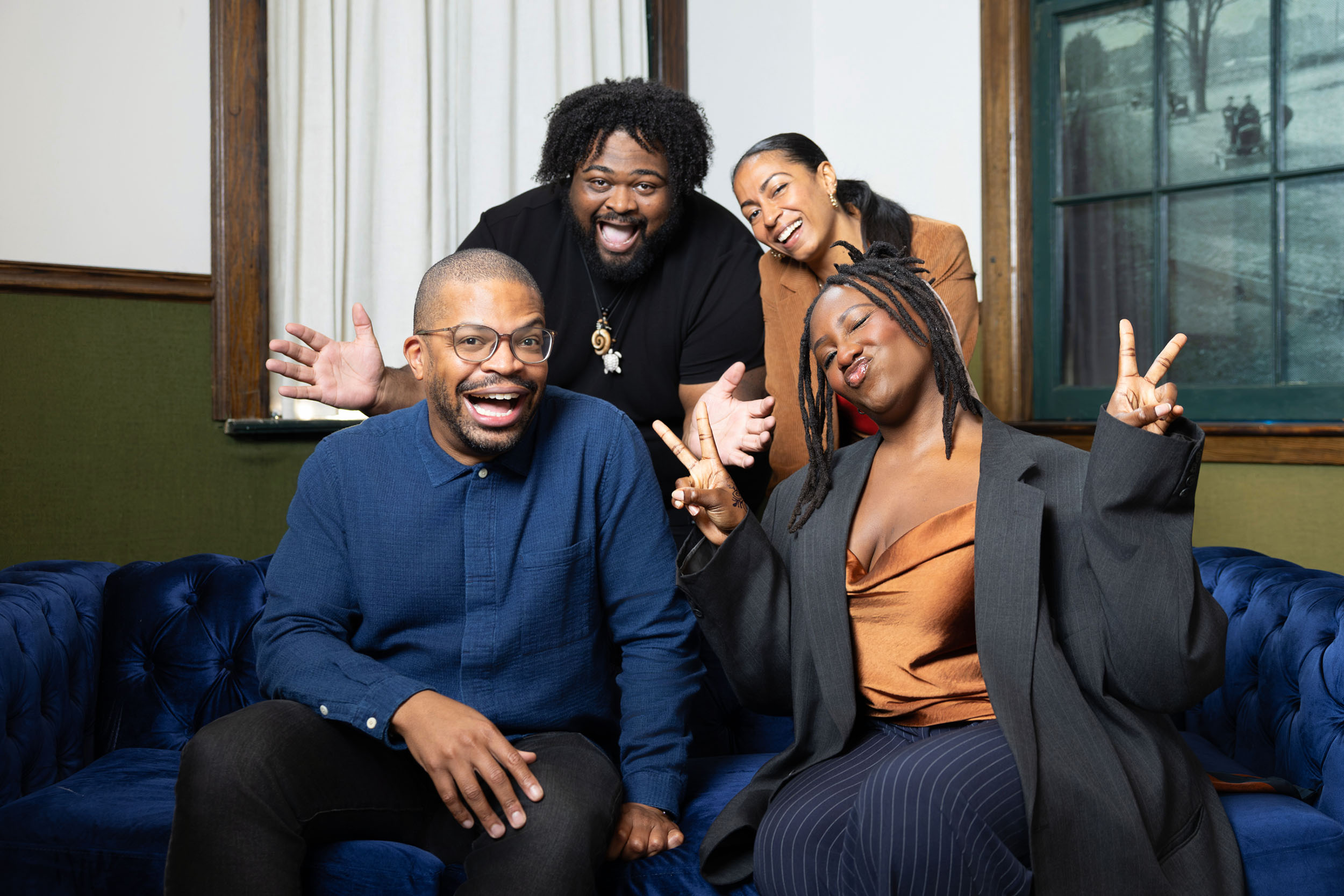
The gathering featured a conversation between Omari Rush, executive director of CultureSource, and Johnnie Turnage, co-founder of Black Tech Saturdays, moderated by Mankaprr Conteh, a 2026–27 Knight-Wallace Arts Journalism Fellow. Together, they explored artificial intelligence, creative ownership, economic opportunity, and the role of community in shaping technological change.
Throughout the discussion, one central idea emerged: Technology should expand what’s possible for creative people without diminishing the culture, relationships, and human expression that make their work valuable.
Five Ideas We're Taking Forward
1. Engaging with AI doesn't mean endorsing it.
As AI becomes increasingly embedded in everyday life, choosing whether to use it is no longer a simple yes-or-no question.
Omari emphasized the importance of engaging with new technology critically, including the role of artists and creatives who are skeptical of AI. Understanding how these tools work gives people greater agency to question their limitations, challenge harmful practices, and influence their development.
The goal is for creative people to have the knowledge and opportunity to help shape AI’s future, whether or not they choose to embrace it.
2. Technology can expand economic opportunity and belonging.
Johnnie shared how AI and other digital tools are helping entrepreneurs and small teams accomplish work that once required significant time, resources, or specialized expertise.
From developing business projections to identifying potential collaborators, these tools can help people move ideas forward without waiting for traditional resources or institutional support.
Access to technology isn’t enough on its own, though. People also need digital confidence, supportive networks, and a way into emerging opportunities.
3. Start with organizational needs, not new tools.
For many arts and culture organizations, adopting new technology takes more than learning a new tool. Limited staff capacity, competing priorities, and tight budgets can make it hard to experiment.
Through CultureSource’s Digital Recipes work, we’re learning more about the everyday digital challenges facing organizations across Southeast Michigan. The biggest opportunities are often practical ones, like better workflows, more organized information, and less administrative work.
These needs also present opportunities for collaboration between cultural organizations and technology professionals who can help develop accessible, affordable solutions.
4. Creative ownership and cultural expression must remain central.
The conversation also addressed what communities stand to lose as AI becomes more widespread.
Mankaprr raised questions about the history of Black cultural contributions being used without fair compensation, while Johnnie discussed concerns about intellectual property, employment, and the growing concentration of economic power.
These challenges extend beyond technology itself. They raise questions about who owns creative work, who benefits from innovation, and whose voices are represented in decisions that affect our communities.
Artists and culture workers have an important role in these discussions, bringing perspectives grounded in creativity, lived experience, and cultural knowledge.
5. Community is one of our greatest resources.
One of the strongest themes was the importance of relationships and collective action.
Technology can connect people and accelerate ideas, but communities provide the trust, shared knowledge, and accountability needed to turn those possibilities into meaningful change.
Both speakers emphasized the importance of community participation in shaping technology policy and protecting local interests. Rather than leaving decisions solely to technology companies, artists, entrepreneurs, and residents can help influence the systems that affect their lives.
This is also where the partnership between CultureSource and Black Tech Saturdays holds promise: bringing together different networks, expertise, and perspectives to imagine and build new possibilities.
From Conversation to Collaboration
Make Believe reminded us why it’s worth connecting arts and technology communities around the challenges and opportunities they share.
For CultureSource, that means continuing to identify practical needs, build relationships across sectors, and explore how technology can support creative work. Just as important is ensuring artists and culture workers have a voice in shaping technological change while preserving the human experiences that make arts and culture essential.
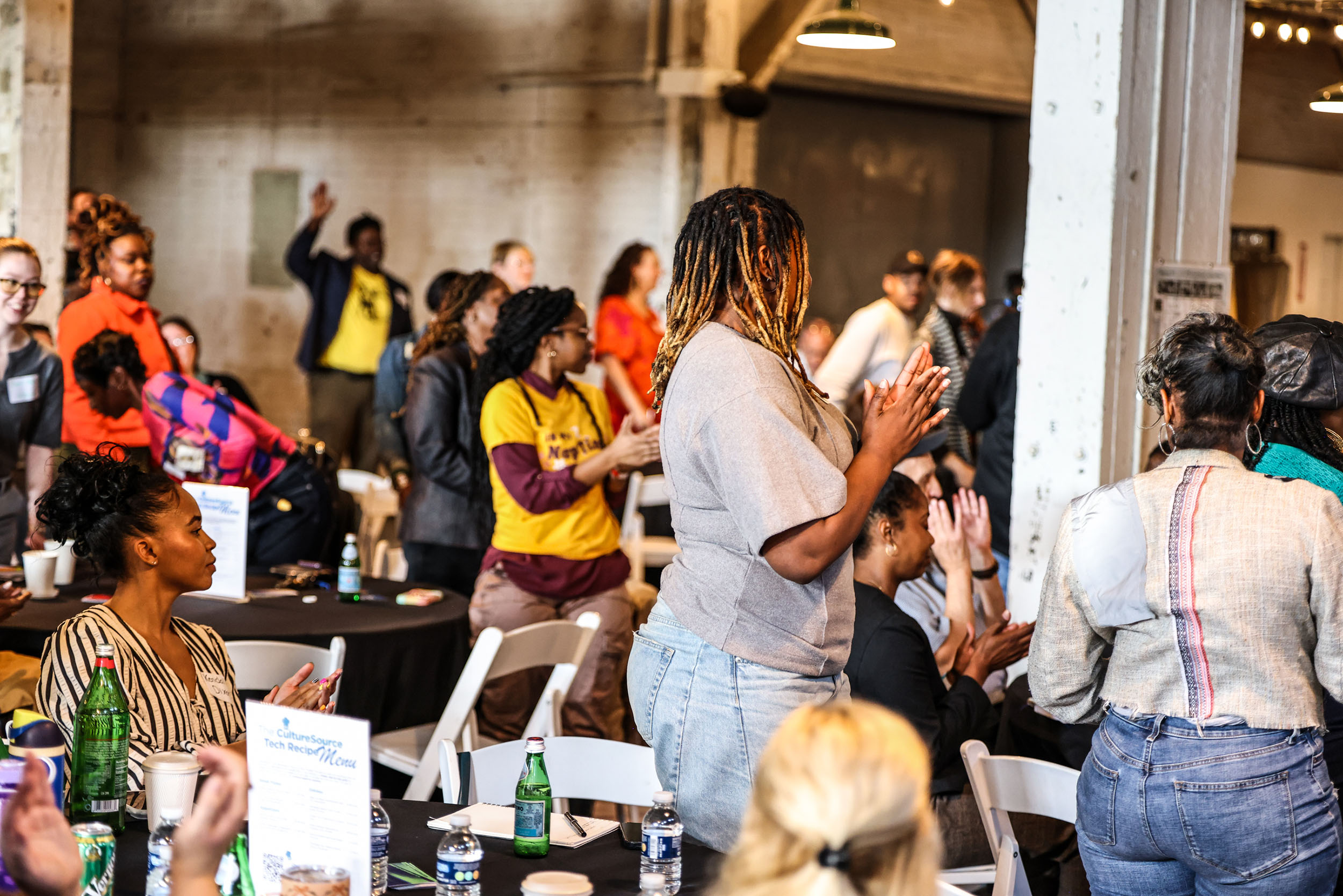
Thank you to Black Tech Saturdays, our speakers, the Ford Piquette Avenue Plant, and everyone who joined us. Special thanks to our partners at the Gilbert Family Foundation for helping make this gathering possible.