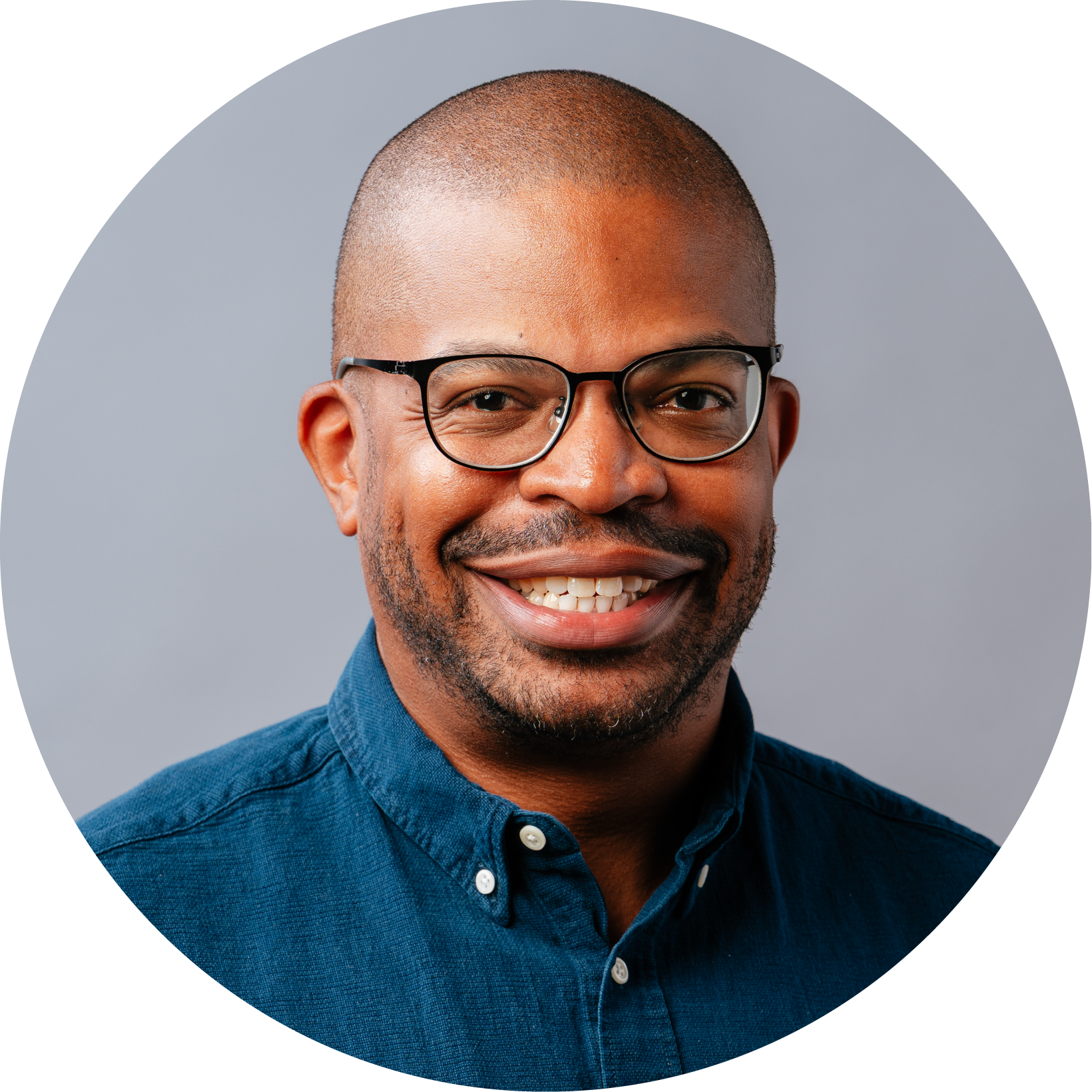
On Algorithmic Perfection and Artificial Intelligence at CultureSource
By Omari Rush, Executive Director
Digital algorithms have been reducing friction in our daily lives for decades: suggesting driving routes, novels, social media friends, and word processing spelling. Digital tech has also been increasingly intermediating previously human-to-human and physical experiences. Now standard is text messaging to communicate with family, a touchscreen or smart surface to facilitate use of an object, digital streaming platforms to access videos and music, and omni-present mobile phones loaded with all-occasion apps to navigate seemingly all occasions.
This smoothing of life by algorithms and pursuit of algorithmic perfection has benefits and consequences that are binary-resistant, unpredictable, and emergent. And since the mid-1900s, improvements to them have radically and constantly been reshaping human life—exponentially so with recent innovations in machine learning models:
- Suggestions once generalized to a population can now be tailored to an individual,
- Once inscrutable data can now be presented with clear and predictive patterns, and
- Computer hardware (data storage, batteries, microchips) keep shrinking in size and growing in capacity.
Today, the evolution of algorithms has reached yet a new high-water mark for digital tech: dazzling and frightening mainstream artificial intelligence tools and applications.
Holding onto both our mission, which is to advance creative and cultural expression, as well as one of our seven guiding principles, “we must engage contemporary culture at its core and edges,” CultureSource is exploring the current state of arts and digital tech with curiosity, hope, skepticism, and questions.
Internally, we intentionally study and deliberate about AI, and externally, we offer services like seminars, funding, and tools to support field awareness and navigation. We do not preach adoption; rather, we advocate for readiness. We want arts leaders and artists to have the adaptive capacities to be in the world as it is, creatively, securely, and successfully.
Across our work and observations, we are noticing AI-framed patterns unfold similarly to patterns framed by past digital algorithm advancements: job creation and loss, shifts in human intelligence focuses, environmental stress, audience demands and taste changes, and questions about what is [good, excellent, important, worthwhile, real, valuable] art. Recognizing and making sense of those patterns is tough for everyone, especially amid rapid change. To support CultureSource’s continued usefulness as a resource to cultural organizations and creative people and to add critical guardrails and stimulants to our edge exploration of AI, we have done the following:
- Finalized the first version of our CultureSource AI Policy; posted on our website for member use, we will update this frequently as laws, politics, and cultures evolve and as staff learn during implementation,
- Embedded an AI assistant on our homepage,
- Created and piloted a prototype of a CultureSource-trained AI chatbot provocateur that sparks thinking with probing questions aligned with our changemaking consulting practice values,
- Purchased an enterprise subscription to ChatGPT for our staff’s optional use (whether practical or exploratory),
- Plus, next we are drafting an agenda that will better help us focus our attention on supporting ongoing adaptation in the digital world, specifically working alongside social impact, locally-minded cultural organizations and creative people.
CultureSource’s tolerance for the discomfort of AI’s disruptions and willingness to operate in algorithmic imperfection is generally attributable to our principled and programmatic focus on adaptive leadership and changemaking—we are always challenging assumptions, experimenting, letting go to make room, embracing generative tension, and “getting on the balcony” to see a bigger and different perspective. It is also attributable to sustained partnerships that have offered us expansive space for inquiry and discovery, as well as deepened sophistication and service. Those partners include the following:
- Internal stakeholders, including our board of directors and staff
- Institutions, including the Ford Foundation, Gilbert Family Foundation, Knight Foundation, and the National Endowment for the Arts
- Individuals (serving as technologists, consultants, evaluators, and co-thinkers), including Piotr Adamczyk, Salome Asega, Tom Bray, Alan Brown, Cézanne Charles, Chris Genteel, Sarah Lutman, Jon Riley, Greta Rudolph, and Koven Smith
Feel free to reach out to me with comments or questions about our arts and tech focus, and thanks for the creative work you do—our community and world need you.